How to Plan an Ornamental Garden
As an Amazon Associate, we earn from qualifying purchases. If you buy through an affiliate link, we may earn a commission at no extra cost to you.
An ornamental garden brings together flowers, foliage and structure. Planning it around plant roles helps you create interest beyond a single flowering season while keeping the space practical to use and maintain.
Identify the permanent framework
Mark existing trees, shrubs, paths and boundaries before adding smaller plants. Decide which features provide structure and which need improvement. Check roots, mature spread and light before planting beneath or beside established shrubs and trees.
Use pruning shears for small stems; choose a suitable larger tool for thicker woody growth.
Choose foliage as well as flowers
Compare leaf texture, shape and seasonal appearance. Suitable foliage plants can connect flowering groups when blooms are absent. Avoid choosing solely by leaf colour if the plant needs more shade, moisture or winter protection than the site provides.
Build compatible layers
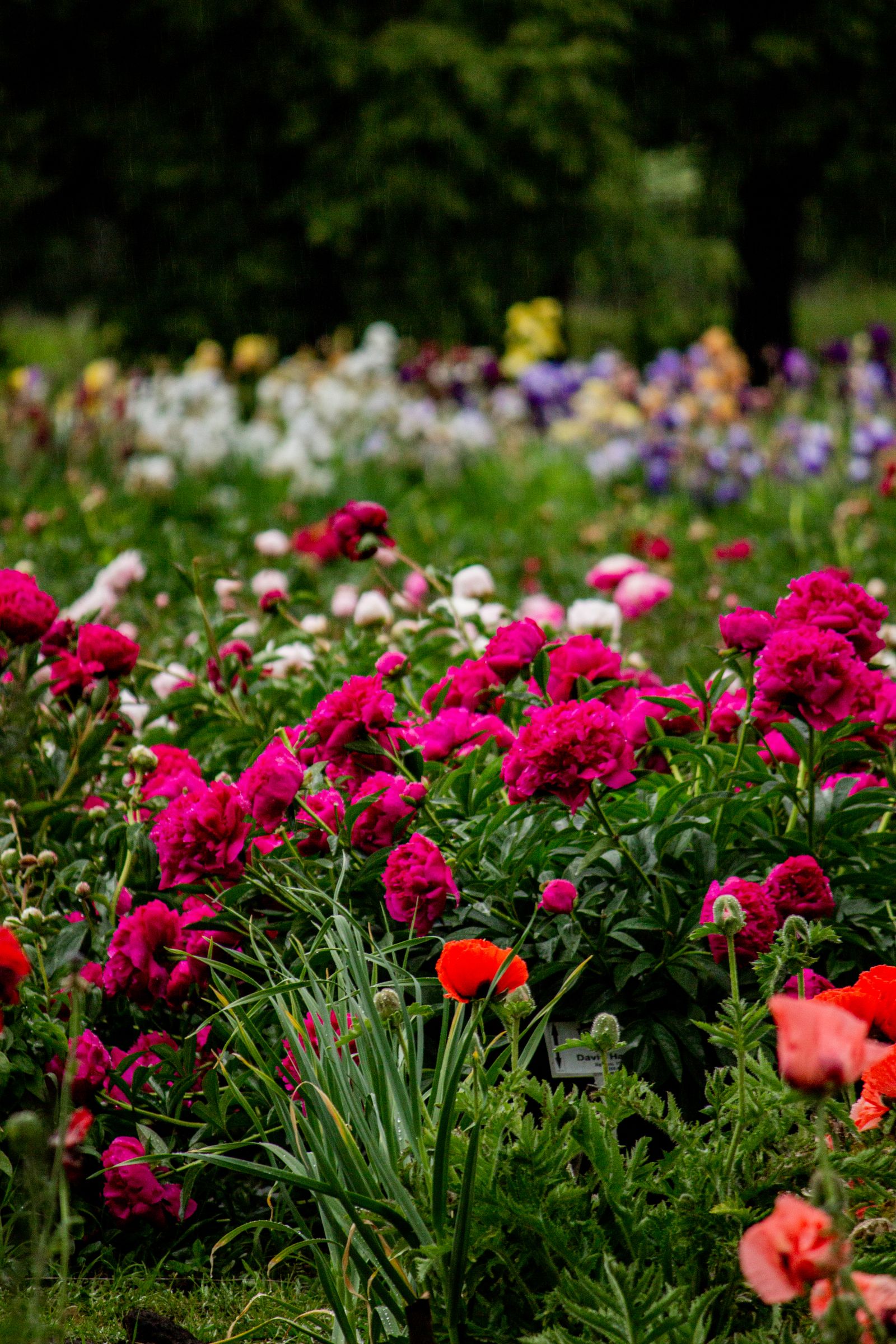
Use taller plants, middle-height groups and lower planting where the space allows. Match their growing needs and leave mature spacing between them. Layers should make the garden interesting, not prevent access or shade every smaller plant.
For flowers that tend to flop, position flower support rings before the stems become tall and difficult to gather.
Make seasonal care part of the design
Record which plants need pruning, support or replacement. Include bulbs only where their fading foliage can remain while it replenishes the plant. Keep names and positions recorded so seasonal work does not depend on recognising a plant from memory.
For seasonal bulbs, use a bulb planter and check each variety’s recommended depth and spacing.
Does ornamental mean the plants cannot be useful?
No. Some edible or wildlife-supporting plants can also be ornamental when they suit the layout and local conditions.
Your next garden task
List the structural plants already present, choose one foliage texture to repeat and add flowers only after their space and conditions are clear.
Helpful supplies for this garden project
Choose only what supports the tasks above. These are optional supplies; check sizes, instructions and current details before buying.
- Fiskars Bypass Pruning Shears, 5/8-Inch Capacity — Use pruning shears for small stems; choose a suitable larger tool for thicker woody growth.
- BestNest Gardman Double Plant Support Rings, 10 Pack — For flowers that tend to flop, position flower support rings before the stems become tall and difficult to gather.
- Fiskars Bulb Transplanter with Depth Markings — For seasonal bulbs, use a bulb planter and check each variety’s recommended depth and spacing.