How to Prepare a Garden Bed for Planting
As an Amazon Associate, we earn from qualifying purchases. If you buy through an affiliate link, we may earn a commission at no extra cost to you.
Preparing a garden bed means understanding the area before adding plants. A useful bed has manageable weeds, suitable drainage and soil that can be cared for without repeated foot traffic.
Assess the area
Observe light and where water collects after rain. Remove rubbish and identify existing plants before clearing them. Check buried services before significant digging and keep the bed away from places needed for safe access.
Use a watering wand to reach containers and water at soil level.
Control persistent weeds
Identify weeds and remove roots or use an appropriate control method before planting. Disturbing only the tops may leave persistent growth behind. Avoid mixing unwanted roots and seeds throughout the new bed as you work.
Address soil needs deliberately
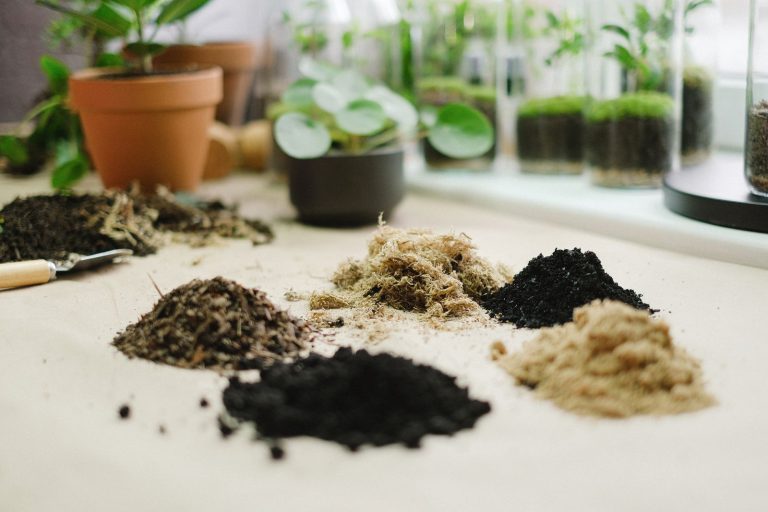
Work when the soil is suitable rather than saturated. Use a soil test to guide amendments and consider drainage separately from fertility. Adding fertilizer will not solve every structural or water problem in the bed.
Use a soil moisture meter as an extra check on soil conditions, rather than watering automatically every day.
Plan planting and follow-up
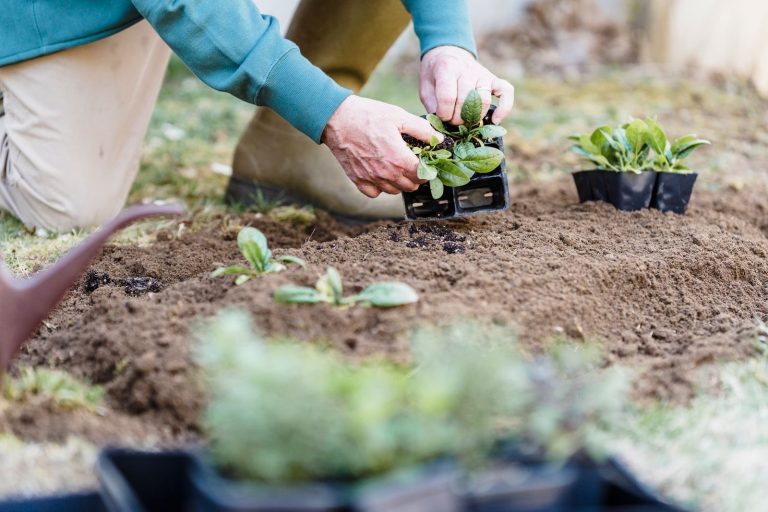
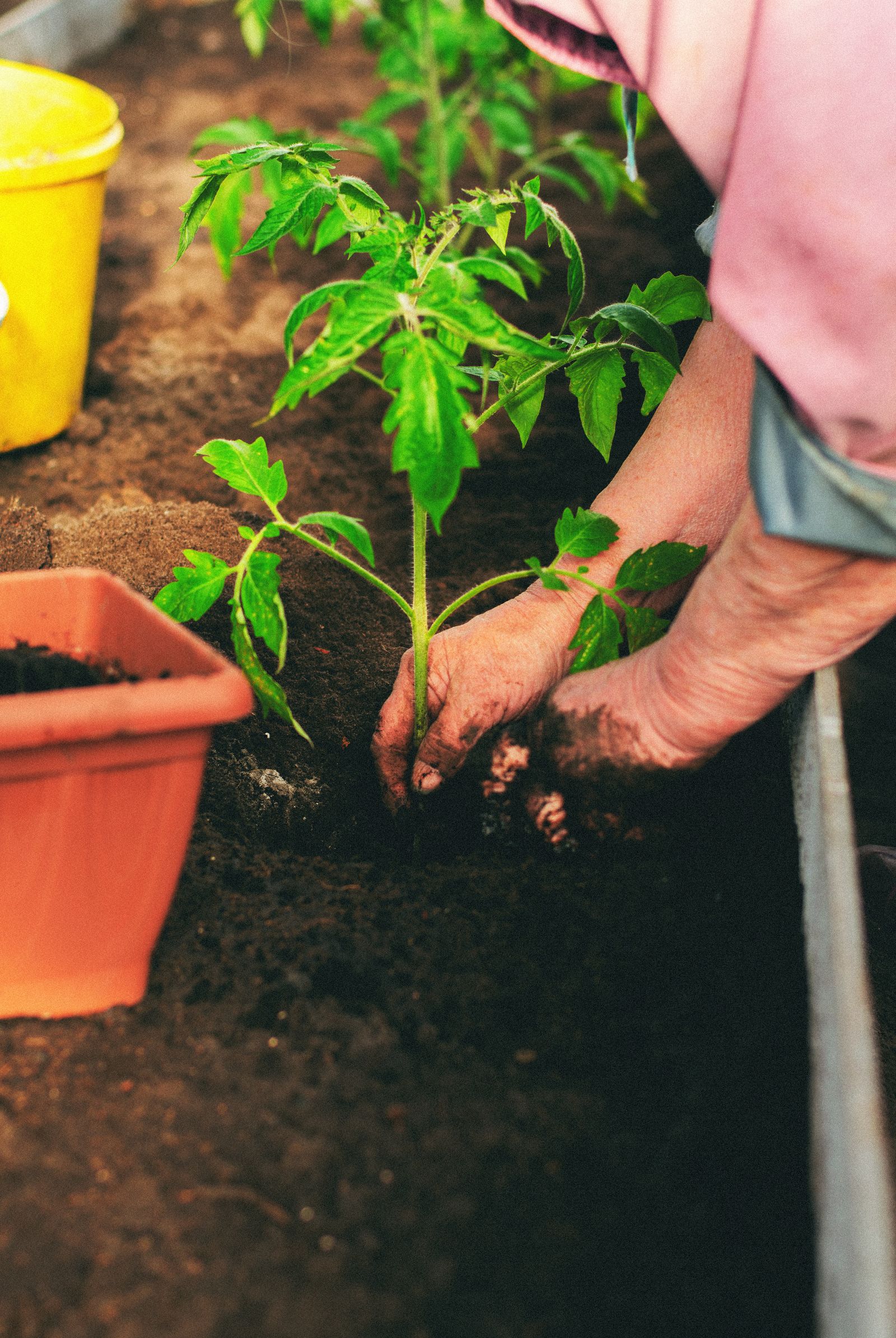
Arrange proposed plants at their mature spacing and leave access for care. After planting, water the root area appropriately and monitor moisture. Keep a record of amendments and plant positions so future care is based on what was actually done.
If your soil test and plant needs call for feeding, use an organic garden fertilizer according to its label rather than adding fertilizer automatically.
Should I dig the bed as deeply as possible?
No. Use a method suited to the soil, existing roots and planned plants. Avoid unnecessary disturbance and follow reliable local preparation advice.
Your next garden task
Observe drainage, control persistent weeds and check soil needs before buying amendments or filling the bed with plants.
Helpful supplies for this garden project
Choose only what supports the tasks above. These are optional supplies; check sizes, instructions and current details before buying.
- GREEN MOUNT 24-Inch Watering Wand, Blue — Use a watering wand to reach containers and water at soil level.
- XLUX Battery-Free Soil Moisture Meter — Use a soil moisture meter as an extra check on soil conditions, rather than watering automatically every day.
- Espoma Organic Garden-Tone 3-4-4 Fertilizer — If your soil test and plant needs call for feeding, use an organic garden fertilizer according to its label rather than adding fertilizer automatically.