How to Improve Garden Soil Before Planting
As an Amazon Associate, we earn from qualifying purchases. If you buy through an affiliate link, we may earn a commission at no extra cost to you.
Improving garden soil starts with identifying what needs improvement. Poor drainage, compaction, unsuitable pH and low fertility require different responses, so one bag of product cannot address every problem.
Describe the problem first
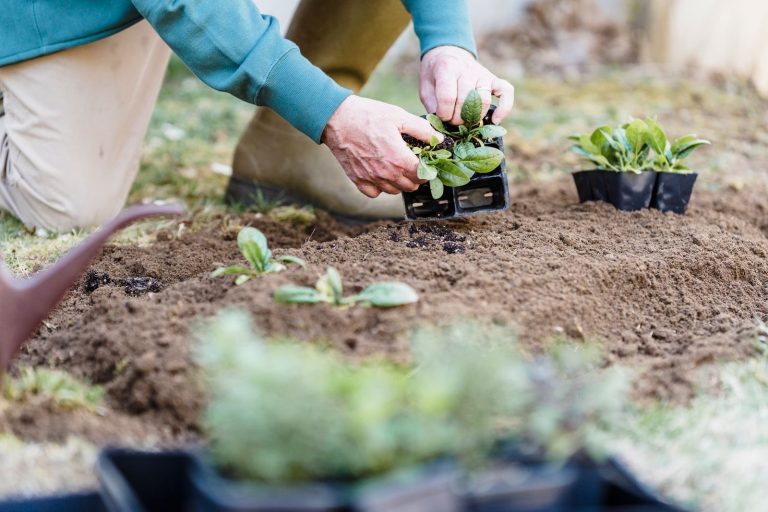
Notice whether water stands, the surface becomes hard or particular plants struggle. Record where and when the problem appears. Avoid assuming that slow growth always means the soil needs fertilizer, especially when light and watering may also be unsuitable.
A soil pH test kit helps you investigate soil conditions before deciding what to add to a planting bed.
Arrange a useful soil test
Use a reliable soil test and follow local guidance on sampling. A home kit may help with an initial check, but a laboratory can provide more useful recommendations for amendments. Keep results so you can compare changes over time.
Choose suitable amendments
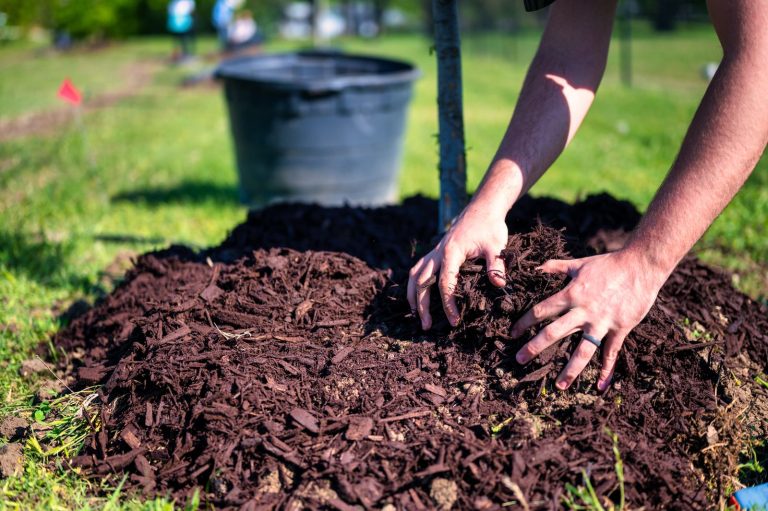
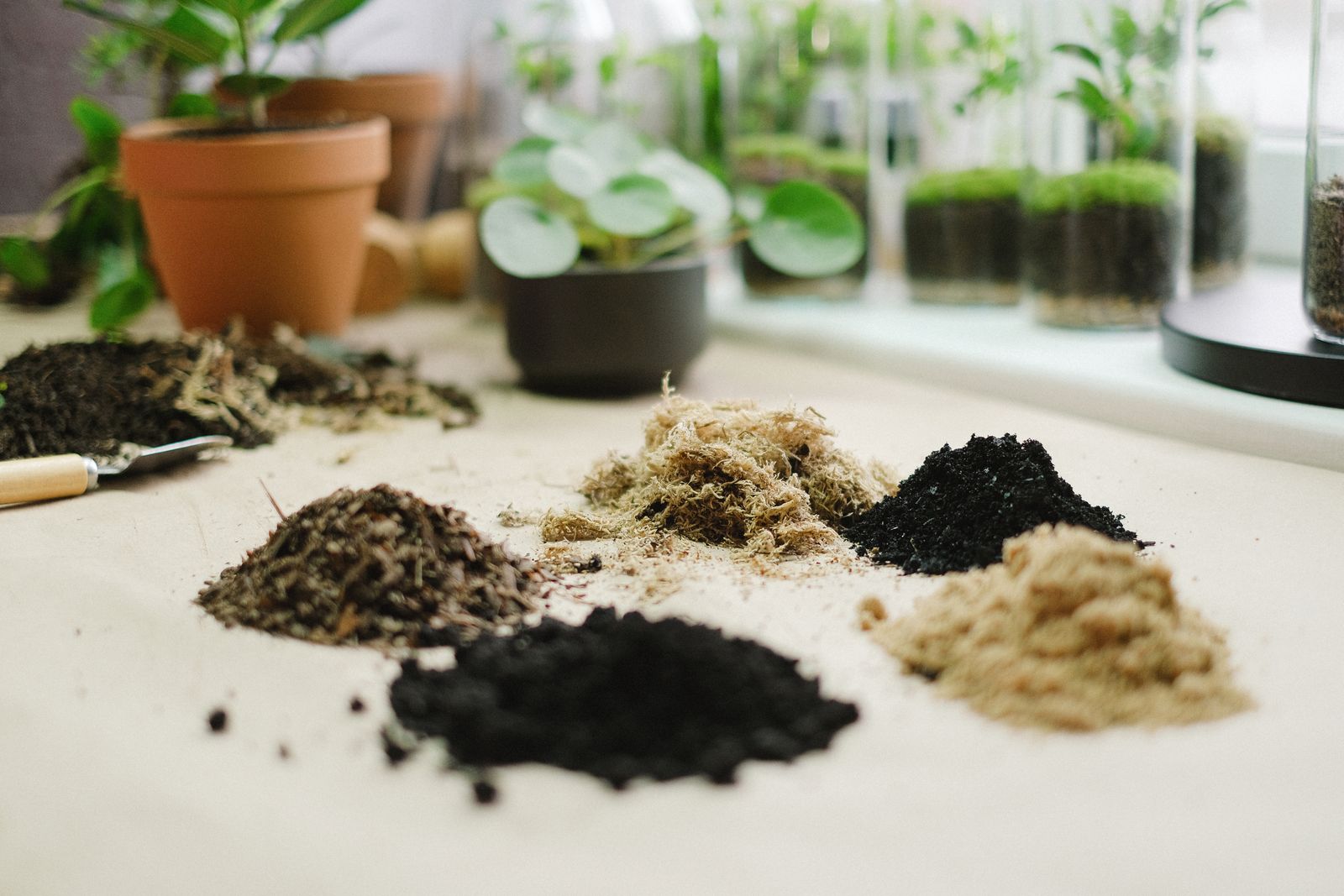
Use finished compost or other amendments only where they address the soil's needs. Follow recommended quantities. Collecting kitchen scraps in a countertop bin is a storage step; the scraps still need a suitable composting process before becoming finished garden compost.
If your soil test and plant needs call for feeding, use an organic garden fertilizer according to its label rather than adding fertilizer automatically.
Manage soil over time
Avoid repeatedly walking on growing areas and protect bare soil appropriately. Keep records of fertilizer and amendment use. Review plant performance and future test results instead of adding the same product every season without checking whether it is needed.
A countertop compost collection bin holds suitable kitchen scraps until you take them to an outdoor compost system; it does not turn scraps into finished compost by itself.
Does every soil need lime?
No. Lime affects pH and should be used only when soil-test guidance supports it. Different plants also have different pH requirements.
Your next garden task
Record the main soil problem, arrange a test and choose an amendment only after the results and local guidance make its purpose clear.
Helpful supplies for this garden project
Choose only what supports the tasks above. These are optional supplies; check sizes, instructions and current details before buying.
- Luster Leaf 1601 Rapitest Soil Test Kit — A soil pH test kit helps you investigate soil conditions before deciding what to add to a planting bed.
- Espoma Organic Garden-Tone 3-4-4 Fertilizer — If your soil test and plant needs call for feeding, use an organic garden fertilizer according to its label rather than adding fertilizer automatically.
- Utopia Kitchen 1.3-Gallon Countertop Compost Bin — A countertop compost collection bin holds suitable kitchen scraps until you take them to an outdoor compost system; it does not turn scraps into finished compost by itself.