How to Attract Helpful Pollinators to Your Garden
As an Amazon Associate, we earn from qualifying purchases. If you buy through an affiliate link, we may earn a commission at no extra cost to you.
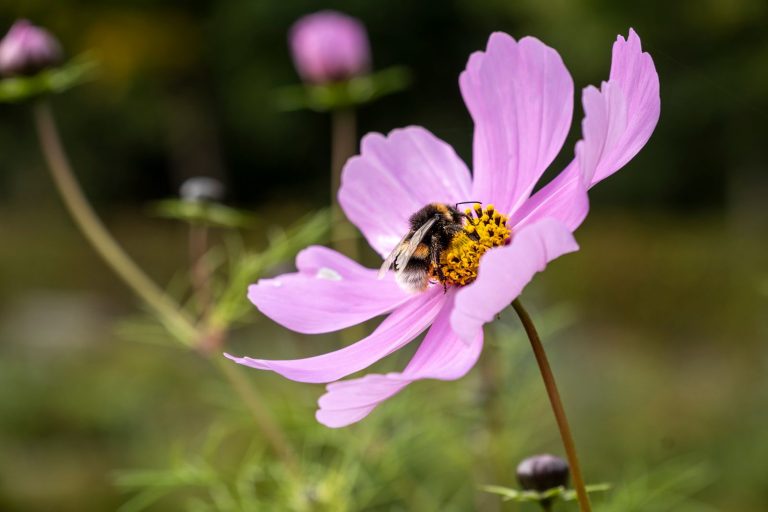
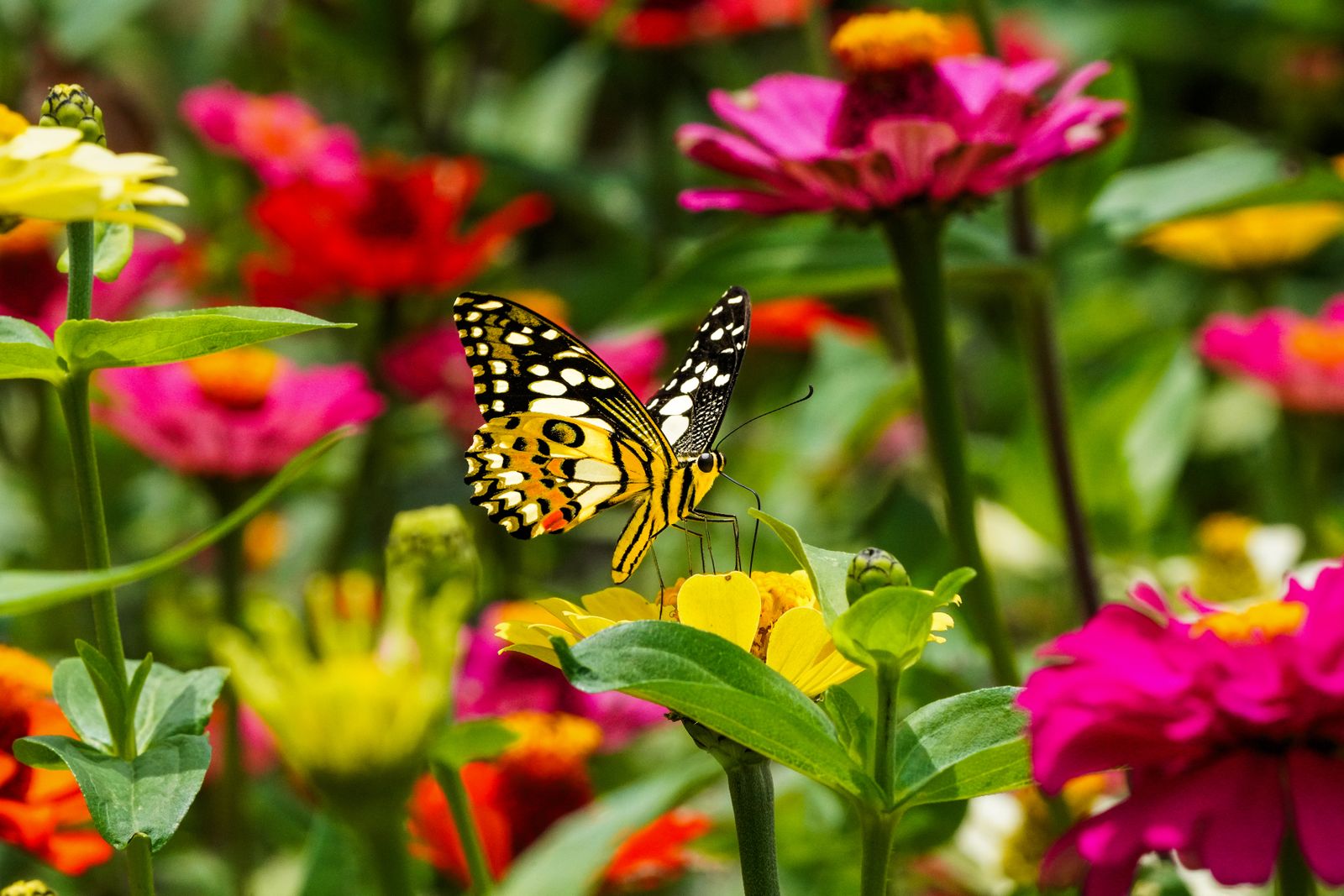
Attracting helpful pollinators starts with offering suitable flowers and avoiding unnecessary disturbance. Different insects have different needs, so use local knowledge to make the garden more useful rather than relying on one decorative feature.
Observe existing visitors
Watch which flowers are visited and note the time of year. Identify insects with reliable resources where possible. Your observations can show what already works and help you choose additions that extend rather than duplicate the same short flowering period.
If a pollinator seed mix fits your local conditions, follow its sowing instructions and check that none of its species are locally invasive.
Select plants for local needs
Use regionally suitable flowers and consider appropriate native species. Check the full species list of any seed mixture. Match plants to the garden's light and soil, since a stressed unsuitable planting will not provide the effect you intended.
Make flower groups recognisable
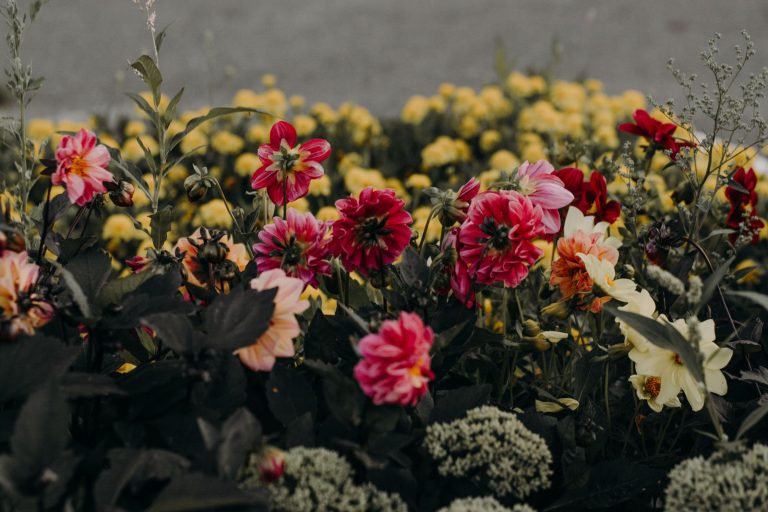
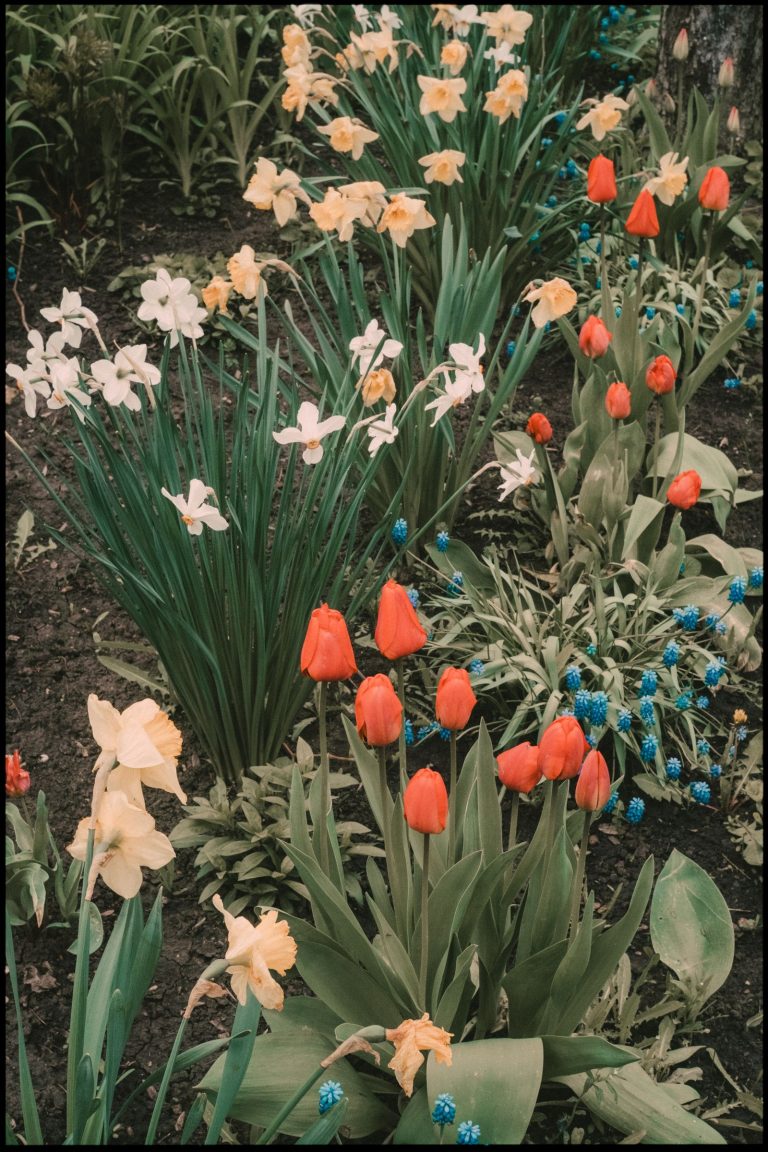
Repeat suitable flowers in groups where the space and plant spacing allow. Include different bloom periods and appropriate flower forms. Support tall stems early so the plants remain accessible without collapsing across paths or smothering neighbours.
For flowers that tend to flop, position flower support rings before the stems become tall and difficult to gather.
Reduce avoidable harm
Avoid spraying plants without identifying a problem and following appropriate guidance. Keep sticky traps away from outdoor flowers. Label useful planting and consider leaving suitable healthy stems or leaf areas where local wildlife guidance supports it.
Use plant labels to distinguish varieties and record when you planted them.
Should I remove all caterpillars?
No. Some belong to butterflies you may want to support. Identify them and the host plant before choosing a response.
Your next garden task
Observe the garden during two different flowering periods, then add one locally suitable plant that helps fill a quiet interval.
Helpful supplies for this garden project
Choose only what supports the tasks above. These are optional supplies; check sizes, instructions and current details before buying.
- Old Farmer’s Almanac 23-Variety Pollinator Seed Mix — If a pollinator seed mix fits your local conditions, follow its sowing instructions and check that none of its species are locally invasive.
- BestNest Gardman Double Plant Support Rings, 10 Pack — For flowers that tend to flop, position flower support rings before the stems become tall and difficult to gather.
- Mr. Pen Plant Labels and Garden Marker, 100 Labels — Use plant labels to distinguish varieties and record when you planted them.