Natural Garden Ideas for a Relaxed Backyard
As an Amazon Associate, we earn from qualifying purchases. If you buy through an affiliate link, we may earn a commission at no extra cost to you.
A relaxed natural garden still benefits from deliberate planning. Its informal appearance comes from thoughtful plant groups, softer edges and room for seasonal change, rather than from allowing every plant to spread wherever it wants.
Work with the existing conditions
Notice the moist, dry, sunny and shaded areas before selecting plants. Look for locally appropriate species, including suitable natives. A plant matched to its position is a better starting point than one chosen only because it looks wild or informal.
Record measurements, light patterns and planting ideas in a garden planning journal before you commit to a layout.
Plant in loose repeated groups
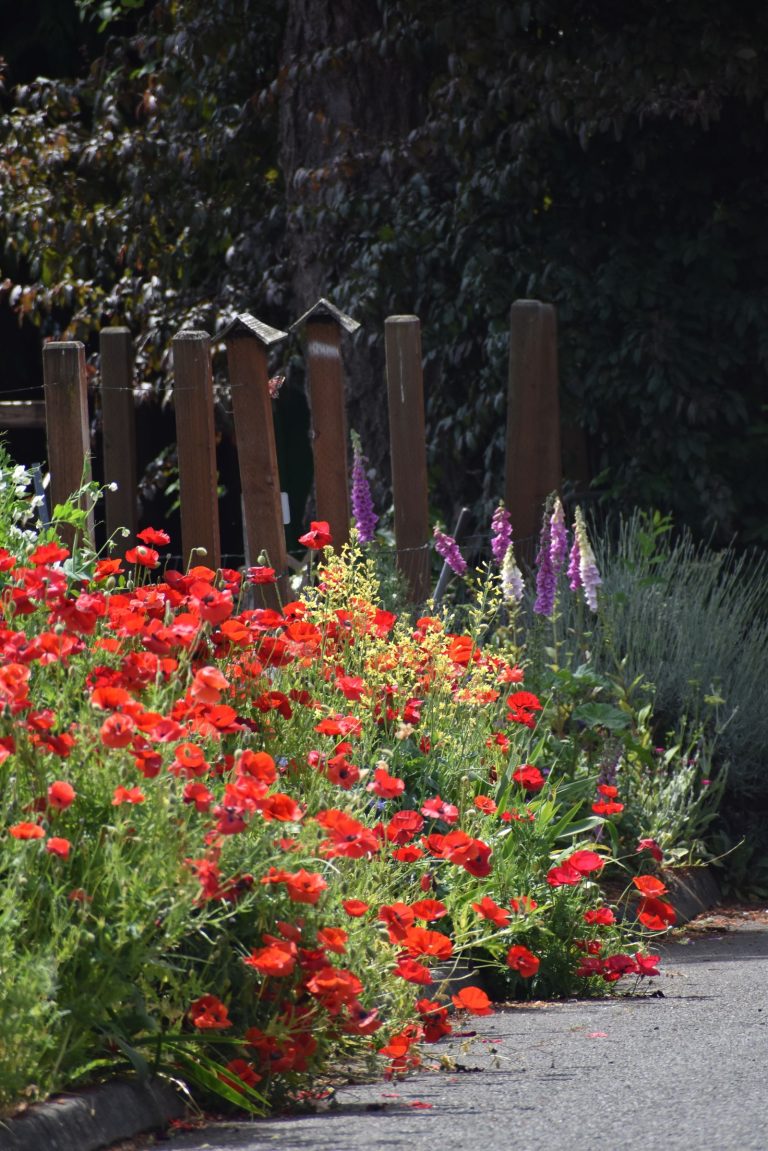
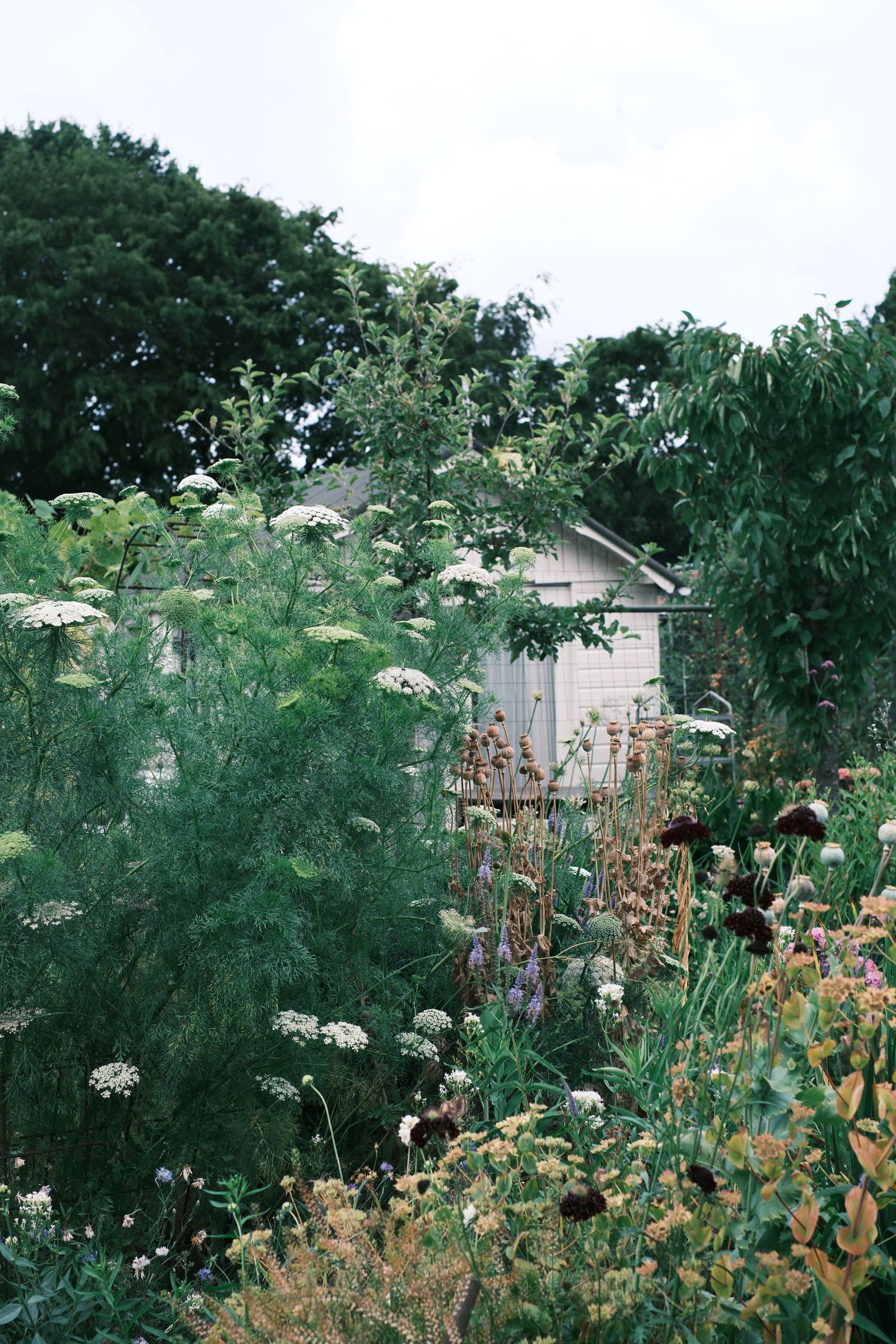
Use small drifts of compatible plants instead of scattering single specimens everywhere. Repeat a few shapes and textures to give the garden continuity. Keep enough space between young plants for their mature spread and for practical care.
Make the routes unmistakable
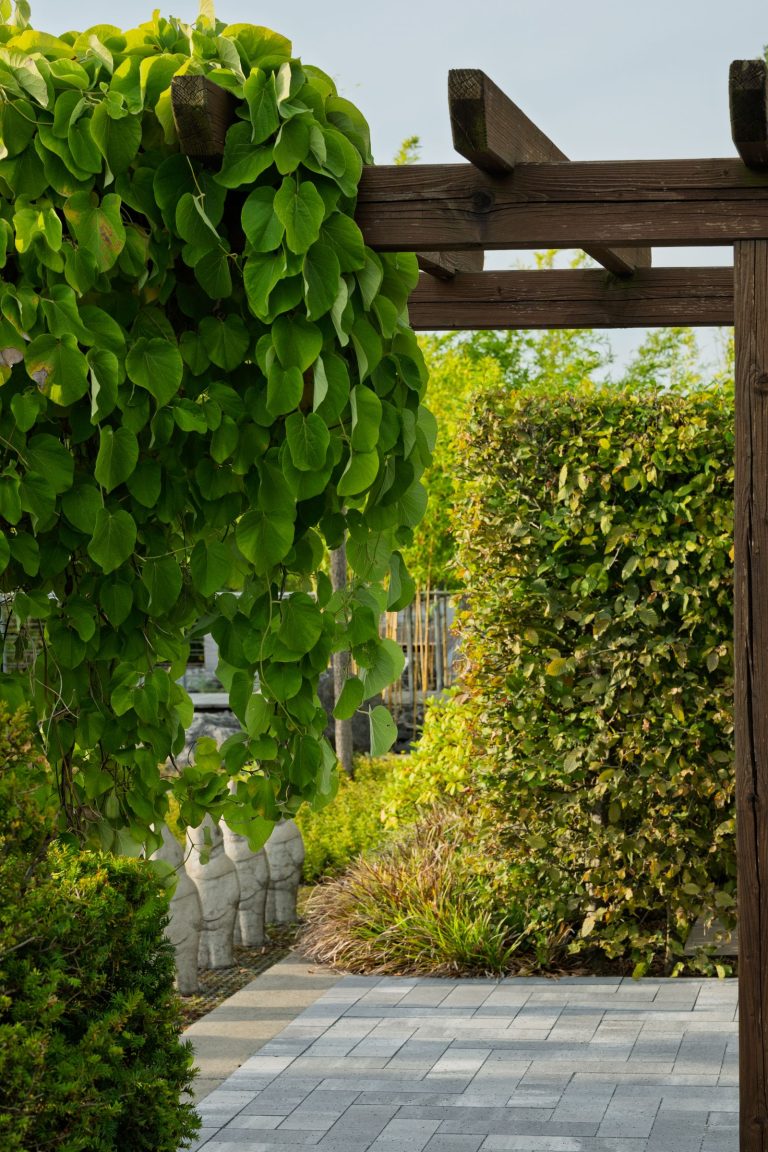
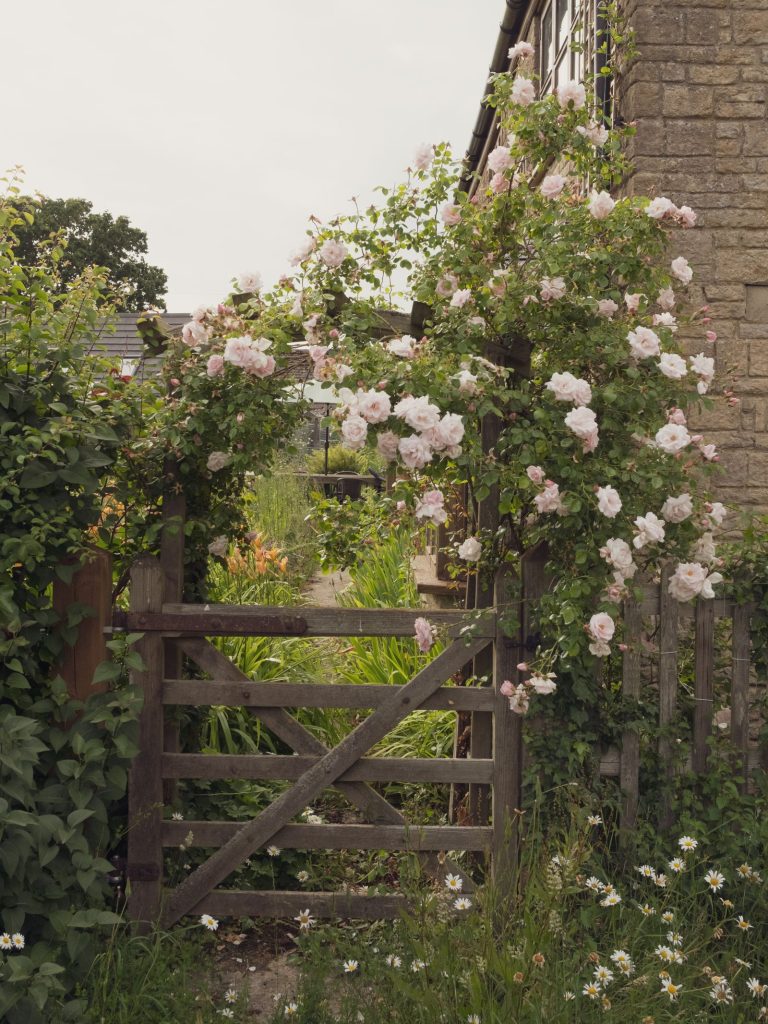
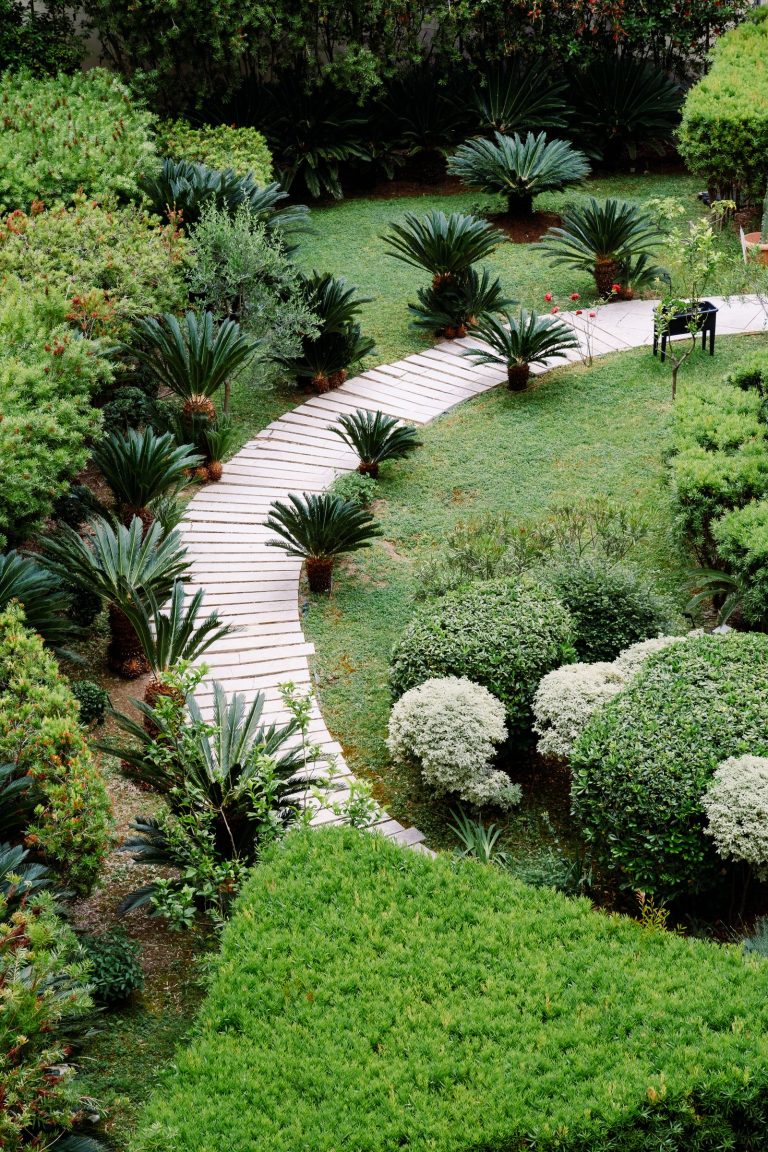
A clearly maintained path helps an informal garden feel intentional. Keep plants from leaning across narrow routes and maintain useful edges around seating areas. The contrast between a clear route and softer planting can create a relaxed appearance.
When you are ready to plant, use a garden hand tool set for small planting holes and surface cultivation.
Choose what to leave and what to remove
Allow useful seed heads and healthy seasonal growth where they fit your goals. Identify unwanted seedlings before removing them. Keep invasive plants, diseased material and unsafe growth under control rather than treating all untidiness as beneficial.
Label the plants you want to repeat with garden markers so you can find their names when planning another bed.
Does a natural garden need no maintenance?
It still needs observation, selective weeding, watering during establishment and checks for plants that are spreading beyond their intended space.
Your next garden task
Choose one edge to soften with locally suitable plants while keeping the nearby path clear. Observe how that balance changes the garden.
Helpful supplies for this garden project
Choose only what supports the tasks above. These are optional supplies; check sizes, instructions and current details before buying.
- Peter Pauper Press The Gardener’s Logbook — Record measurements, light patterns and planting ideas in a garden planning journal before you commit to a layout.
- Fiskars 3-Piece Garden Hand Tools Set — When you are ready to plant, use a garden hand tool set for small planting holes and surface cultivation.
- Foraineam Stainless Steel Garden Markers, 30 Pack — Label the plants you want to repeat with garden markers so you can find their names when planning another bed.