Rustic Garden Ideas for a Warm, Lived-In Look
As an Amazon Associate, we earn from qualifying purchases. If you buy through an affiliate link, we may earn a commission at no extra cost to you.
Rustic garden style works best when ordinary materials have a clear purpose. Timber, weathered finishes and simple planting can create warmth, but the garden still needs safe routes, suitable containers and plants that fit their positions.
Choose a small materials palette
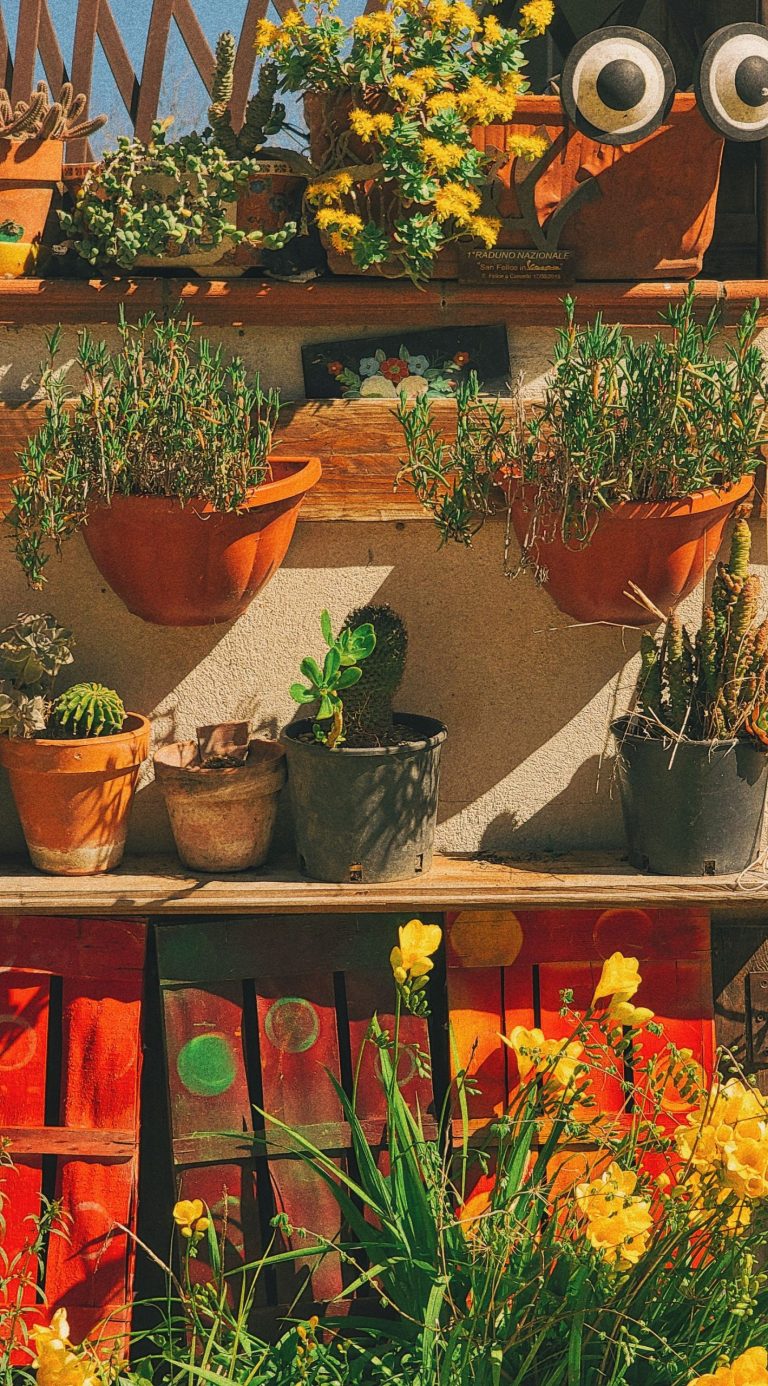
Repeat a few materials rather than filling the space with unrelated reclaimed objects. Timber, gravel and plain terracotta can work together when their colours and scale are considered. Use materials suitable for outdoor exposure and the job they need to do.
Use a garden planning journal to keep your layout sketch, plant choices and care notes in one place.
Check reclaimed items carefully
Inspect second-hand containers and wood for sharp edges, instability and unknown coatings. Avoid using questionable treated or painted materials where they could affect food-growing soil. A decorative item should never create a trip hazard or block drainage.
Use planting to soften the structure
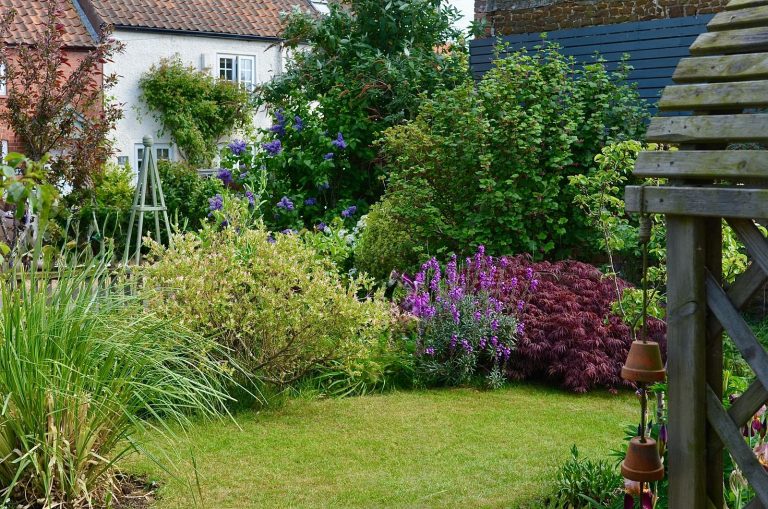
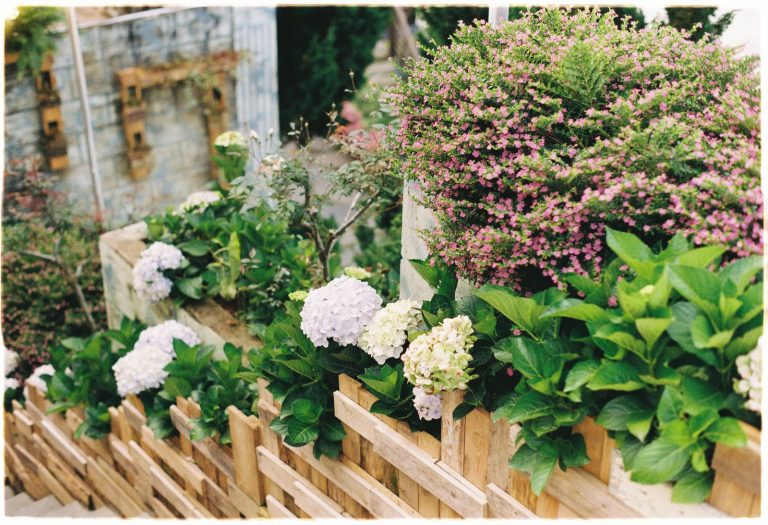
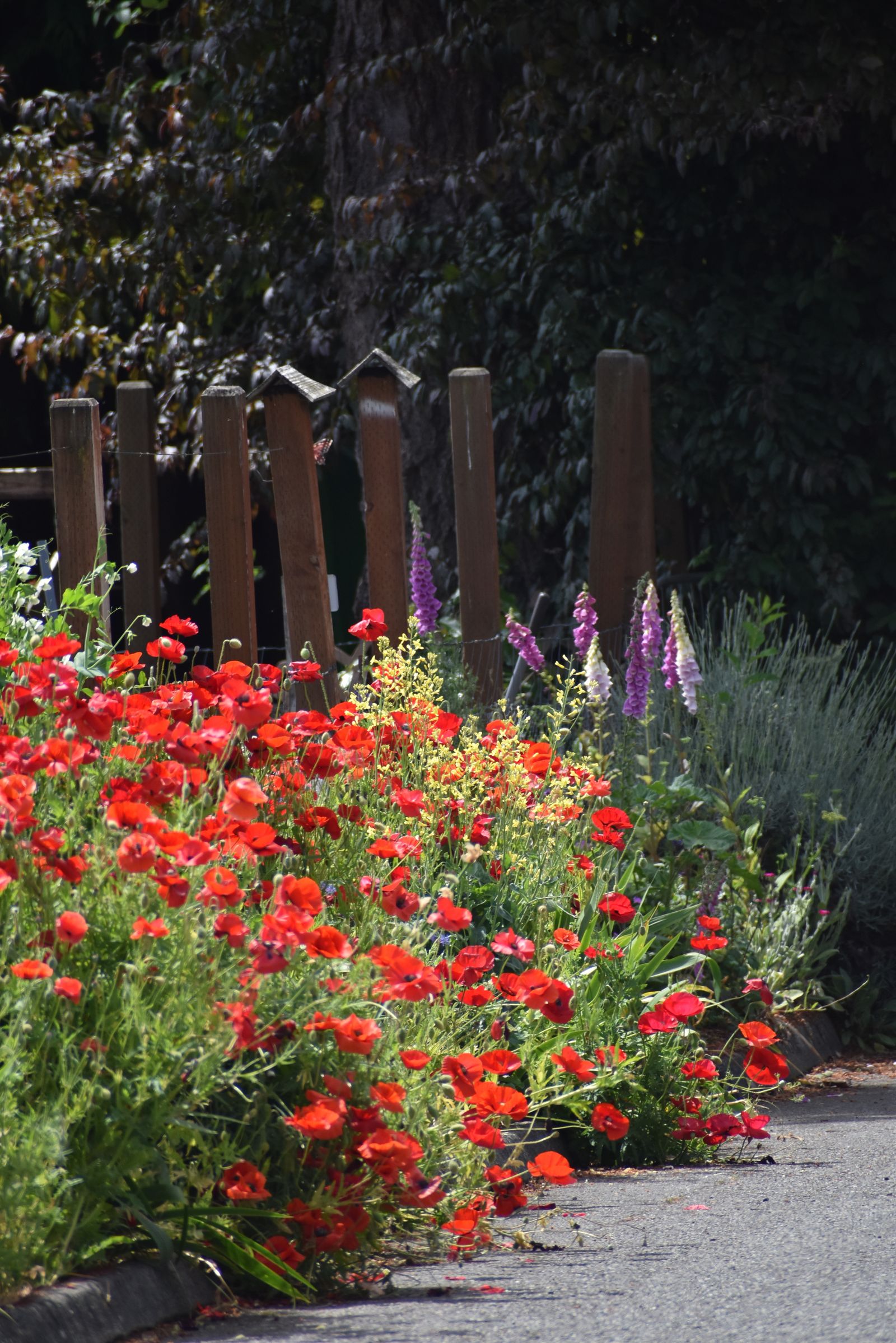
Arrange locally suitable flowers and foliage in repeated groups around paths or seating. Let plants soften a fence or bed edge without obstructing it. Leave enough room for mature growth so the relaxed effect remains easy to manage.
Keep a garden hand tool set nearby for planting and light work around individual plants.
Keep the working areas useful
Give tools, watering equipment and spare pots an organised storage area. A rustic appearance does not require scattered supplies. Keep seating stable and access clear so the garden feels welcoming rather than difficult to move through.
Add garden markers beside new plants so their names remain easy to find as the garden fills out.
Can a small patio have rustic style?
Yes. A coordinated container group and one well-chosen material can establish the style without requiring a large lawn or elaborate structure.
Your next garden task
Choose one existing material to repeat, remove an unsafe or unnecessary object and plant a small group that suits the available light.
Helpful supplies for this garden project
Choose only what supports the tasks above. These are optional supplies; check sizes, instructions and current details before buying.
- Peter Pauper Press The Gardener’s Logbook — Use a garden planning journal to keep your layout sketch, plant choices and care notes in one place.
- Fiskars 3-Piece Garden Hand Tools Set — Keep a garden hand tool set nearby for planting and light work around individual plants.
- Foraineam Stainless Steel Garden Markers, 30 Pack — Add garden markers beside new plants so their names remain easy to find as the garden fills out.