How to Keep a Garden Thriving in Summer
As an Amazon Associate, we earn from qualifying purchases. If you buy through an affiliate link, we may earn a commission at no extra cost to you.
A thriving summer garden needs attention to moisture, plant condition and the work you can realistically do in hot weather. Adjust the routine to your climate and individual plants rather than following the same pattern all year.
Check the most vulnerable plants
Inspect new planting, seedlings and containers closely. Their root areas can behave differently from established beds. Check moisture before watering and look for drainage problems rather than assuming every wilted leaf means the plant needs more water.
If a pollinator seed mix fits your local conditions, follow its sowing instructions and check that none of its species are locally invasive.
Protect useful access and airflow
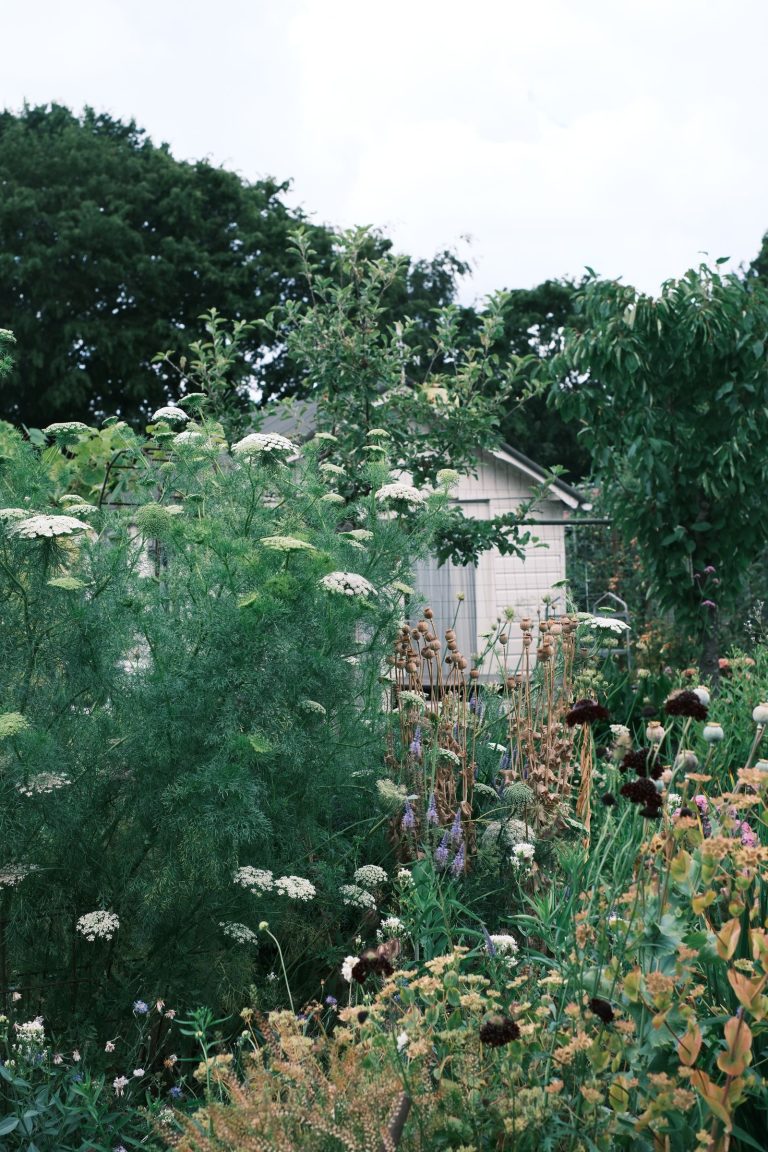
Keep routes clear and adjust plants or supports that have become crowded. Learn the pruning needs of each plant before making cuts. Avoid a heavy general tidy-up that removes useful growth simply because the garden looks fuller than it did earlier.
Keep seasonal planting realistic
Choose additions only if the local summer conditions suit them. For seed mixtures, check suitable sowing periods and species before planting. A packet intended for another season can be saved for a more appropriate local window rather than sown immediately.
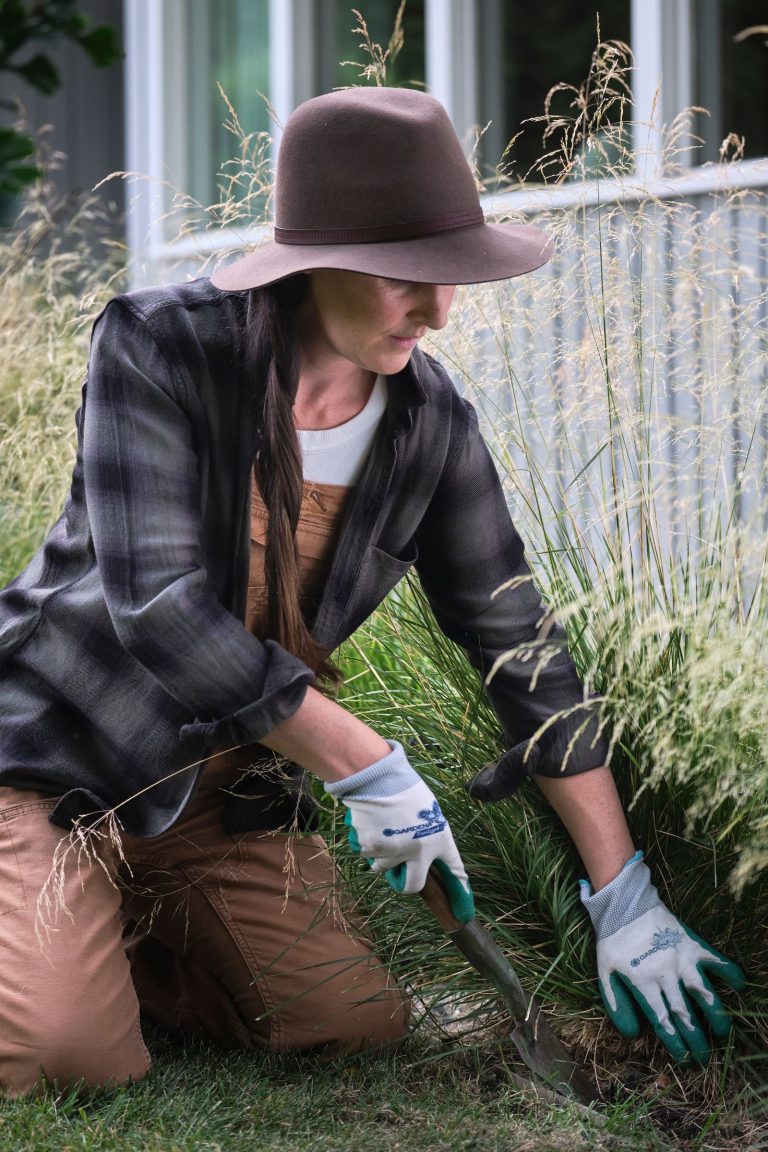
Wear garden gloves for light planting and weeding, and choose heavier protection for thorny plants.
Work in manageable sessions
Use suitable protection and tools for the job, and plan shorter maintenance sessions around your conditions. Remove small weeds and monitor plant problems before they grow. Keep records of plants that perform well so next summer's garden is easier to plan.
Keep pruning shears ready for deadheading and small-stem pruning, and clean the blades between plants when disease is suspected.
Should I plant new flowers during extreme heat?
Check local and plant-specific guidance. Conditions may make establishment difficult, so waiting for a suitable planting period can be a better choice.
Your next garden task
Inspect containers and new plants first, then adjust one watering or maintenance habit based on what the soil and plants show you.
Helpful supplies for this garden project
Choose only what supports the tasks above. These are optional supplies; check sizes, instructions and current details before buying.
- Old Farmer’s Almanac 23-Variety Pollinator Seed Mix — If a pollinator seed mix fits your local conditions, follow its sowing instructions and check that none of its species are locally invasive.
- COOLJOB Gardening Gloves, 6 Pairs, Medium — Wear garden gloves for light planting and weeding, and choose heavier protection for thorny plants.
- Fiskars Bypass Pruning Shears, 5/8-Inch Capacity — Keep pruning shears ready for deadheading and small-stem pruning, and clean the blades between plants when disease is suspected.