
English Garden Landscaping Ideas for Home Gardens
As an Amazon Associate, we earn from qualifying purchases. If you buy through an affiliate link, we may earn a commission at no extra cost to you.
English garden landscaping can inspire a home garden through layered planting, repeated groups and clear paths. You can borrow those design ideas while choosing plants suited to your own climate instead of copying a cool-climate plant list.
Use structure to organise loose planting
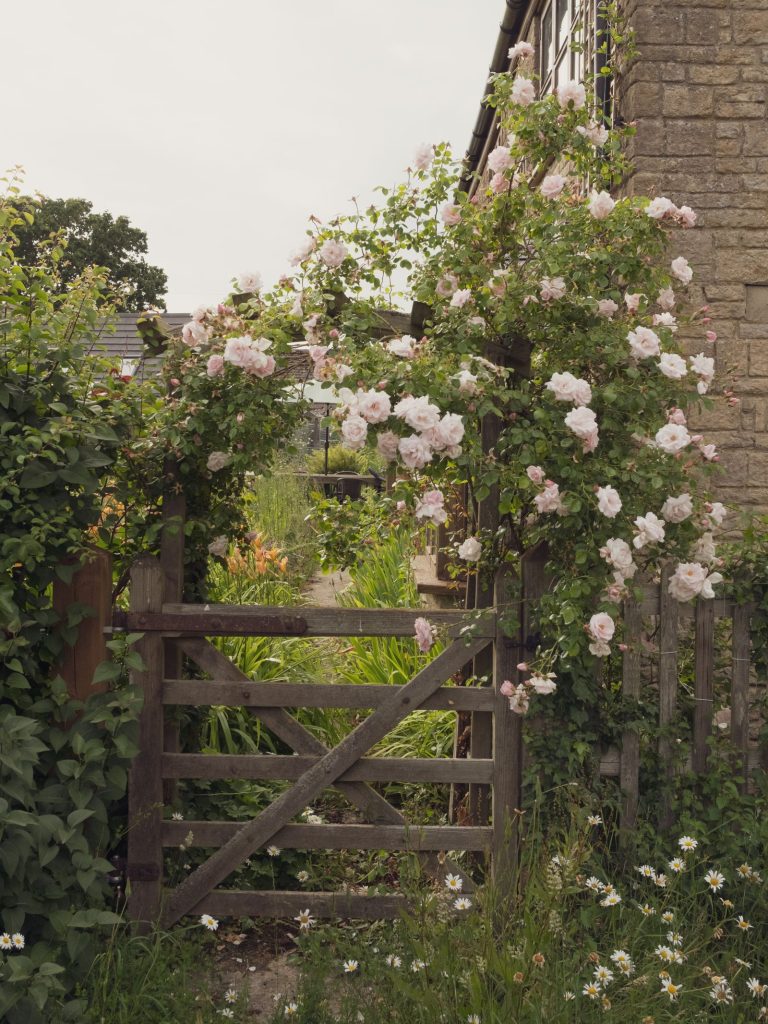
Define routes and the edges of main beds so flowers have a clear setting. A simple path and a repeated border line can provide enough structure. You do not need formal hedges if their maintenance or growing requirements do not suit you.
Keep pruning shears ready for deadheading and small-stem pruning, and clean the blades between plants when disease is suspected.
Plant in repeated drifts
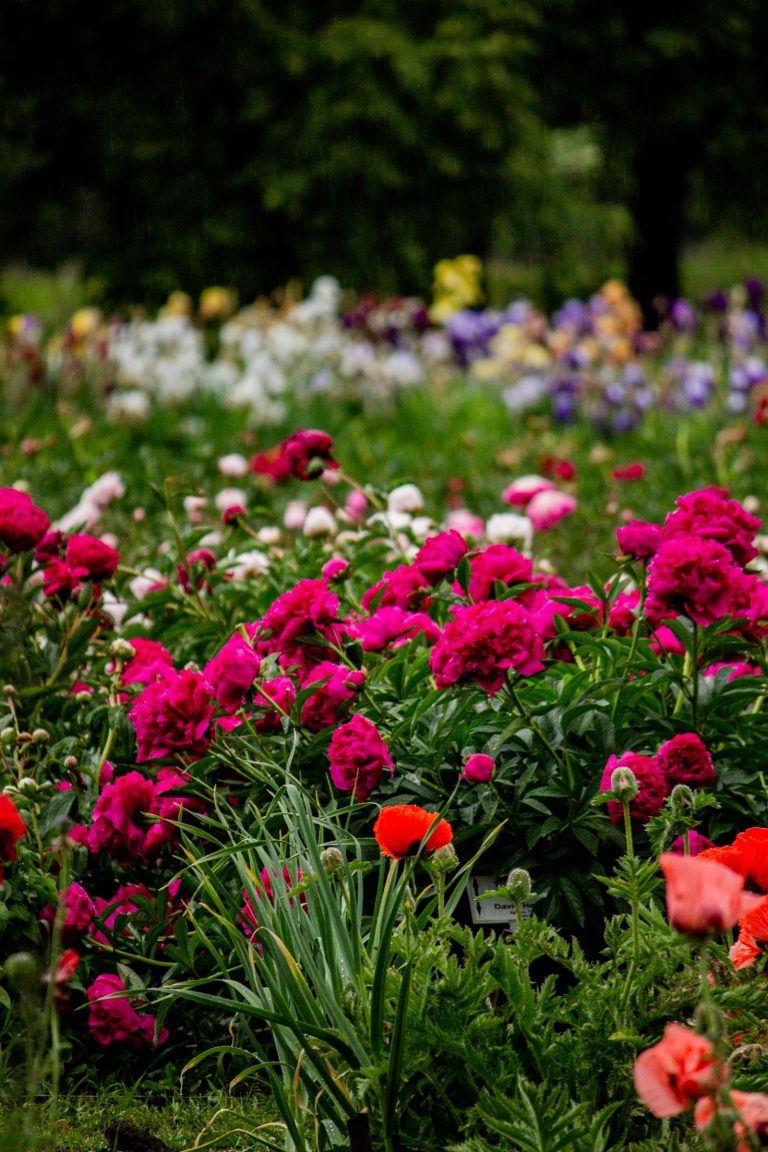
Combine compatible flower groups rather than single specimens scattered throughout the border. Repeat a few plants or colours to connect different sections. Check mature spread and avoid packing the bed densely before the plants have established.
Include several flowering periods
Record when suitable varieties usually flower locally. Add foliage and seasonal bulbs where they fit the conditions. Leave fading bulb leaves until they have completed their job rather than removing them simply because the flowers are gone.
Use flower support rings where tall or heavy flower stems need help staying upright.
Keep the romantic effect maintainable
Support flowers that tend to lean, and learn which plants benefit from deadheading. Keep access open for care and remove unwanted vigorous spread. A softly planted garden still needs deliberate editing to remain usable and healthy.
If you are including bulbs, a bulb planter helps make planting holes; use the planting depth specified for each bulb.
Must I grow traditional English plants?
No. Recreate the arrangement and atmosphere with plants that suit your local light, temperatures, soil and rainfall.
Your next garden task
Choose one border, repeat three suitable plant groups and maintain a clear path beside it. Begin with the structure and let the planting fill out gradually.
Helpful supplies for this garden project
Choose only what supports the tasks above. These are optional supplies; check sizes, instructions and current details before buying.
- Fiskars Bypass Pruning Shears, 5/8-Inch Capacity — Keep pruning shears ready for deadheading and small-stem pruning, and clean the blades between plants when disease is suspected.
- BestNest Gardman Double Plant Support Rings, 10 Pack — Use flower support rings where tall or heavy flower stems need help staying upright.
- Fiskars Bulb Transplanter with Depth Markings — If you are including bulbs, a bulb planter helps make planting holes; use the planting depth specified for each bulb.