How to Plan a Vegetable Garden Layout
As an Amazon Associate, we earn from qualifying purchases. If you buy through an affiliate link, we may earn a commission at no extra cost to you.
A vegetable garden layout should make watering, weeding and harvesting straightforward. Begin with crop requirements and the routes you need, then fit bed shapes around those practical decisions.
Map light and access
Record the boundaries, water source, nearby shade and the route from the house. Observe direct sunlight rather than guessing from a bright afternoon. The best-looking position is not useful if the crops cannot receive their required light.
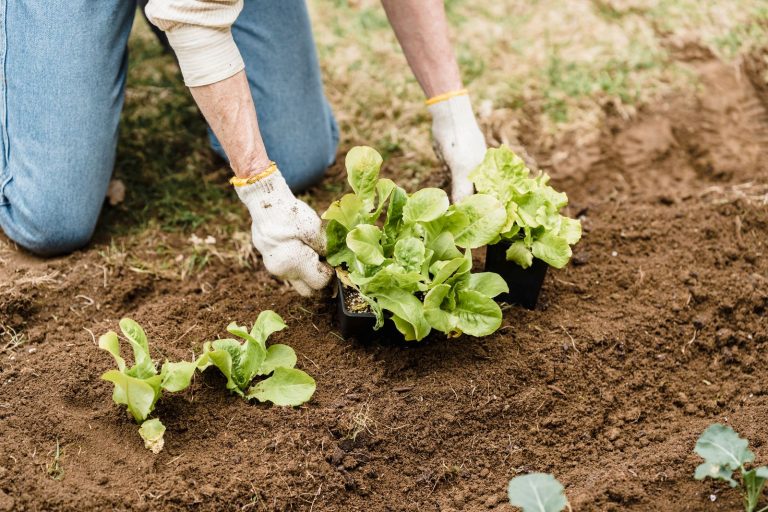
For planting small transplants, a garden hand tool set keeps a trowel, cultivator and transplanter together.
Plan reachable beds
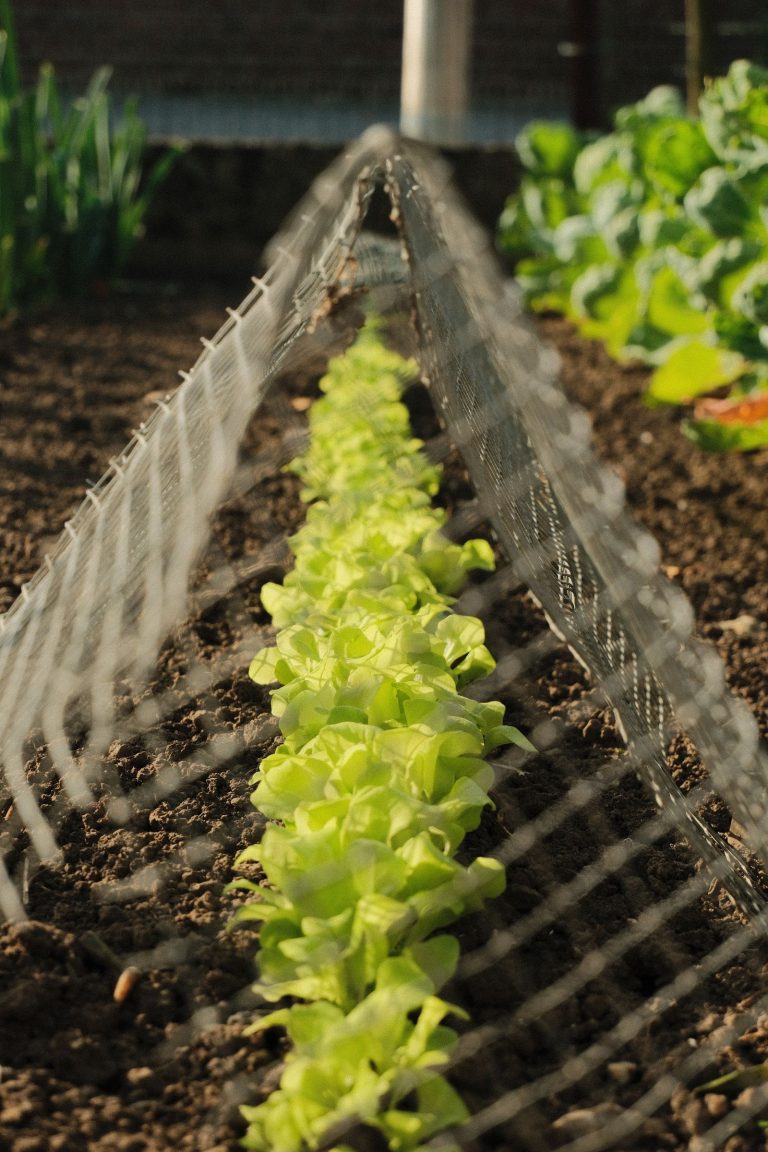
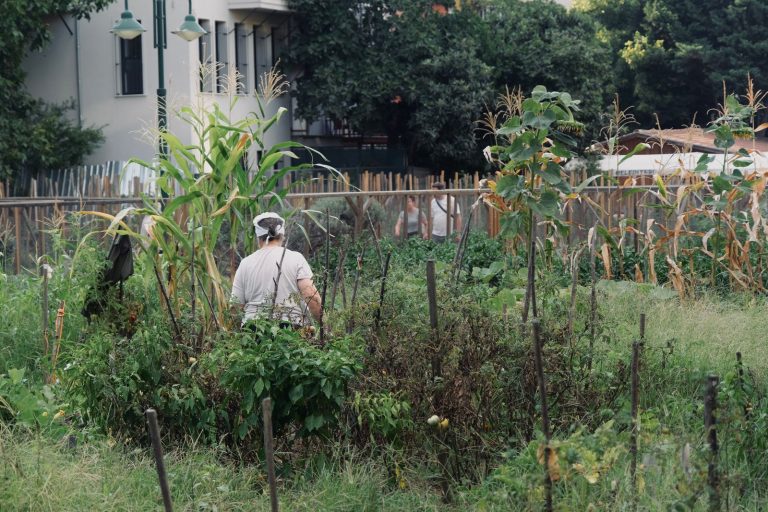
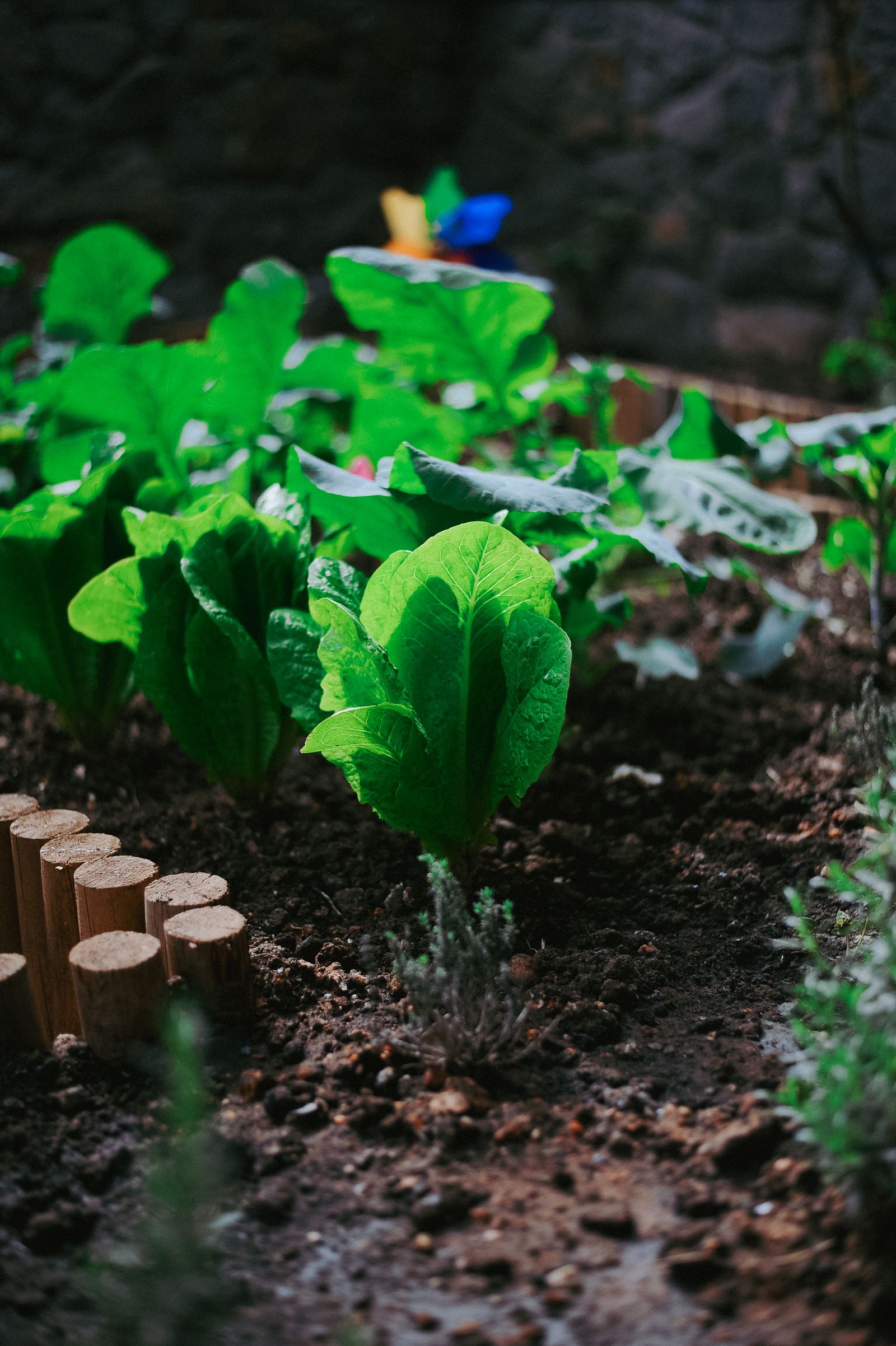
Choose bed dimensions that allow you to reach the growing area without standing on it. Keep paths wide enough for your usual equipment and supplies. Consider where harvested crops and tools will be placed while you work.
Arrange crops by size and support
Use mature size and spacing from seed packets or reliable local guidance. Put climbing structures where they will be accessible and avoid unnecessarily shading neighbouring crops. Do not arrange plants solely by how small they are at sowing time.
Use a soil pH test kit to check soil conditions before adding amendments simply because a plant looks weak.
Record the planting sequence
Write down which crop occupies each area and when it is planted. Note local succession opportunities and avoid leaving decisions until plants are already crowded. A simple layout record also helps you compare results next season.
Before filling a raised garden bed, check access, drainage and how you will reach the centre for planting and harvesting.
Should every crop have its own bed?
Not necessarily. Compatible crops can share space when light, spacing, timing and access are considered carefully.
Your next garden task
Sketch the beds and routes first, then label crop groups using their mature spacing and support needs.
Helpful supplies for this garden project
Choose only what supports the tasks above. These are optional supplies; check sizes, instructions and current details before buying.
- Fiskars 3-Piece Garden Hand Tools Set — For planting small transplants, a garden hand tool set keeps a trowel, cultivator and transplanter together.
- Luster Leaf 1601 Rapitest Soil Test Kit — Use a soil pH test kit to check soil conditions before adding amendments simply because a plant looks weak.
- Land Guard Galvanized Raised Garden Bed, 4 × 2 × 1 ft — Before filling a raised garden bed, check access, drainage and how you will reach the centre for planting and harvesting.