How to Start a Vegetable Garden for Beginners
As an Amazon Associate, we earn from qualifying purchases. If you buy through an affiliate link, we may earn a commission at no extra cost to you.
A beginner vegetable garden works best when its size matches the care you can provide. Start with a few crops you enjoy eating, choose a suitable position and learn one small growing area before expanding.
Choose a workable location
Check direct sunlight, water access and drainage. Many fruiting vegetables need a sunny position, while requirements vary among crops. Keep the bed close enough that checking moisture and harvesting will be realistic rather than an occasional special trip.
When you are ready to plant, use a garden hand tool set for small planting holes and surface cultivation.
Choose a short crop list
Select crops suited to your climate and planting period. Read seed packets for spacing, sowing depth and days to harvest. Begin with a few varieties you will use rather than planting every vegetable that looks interesting in a catalogue.
Prepare the growing area
Remove persistent weeds and investigate soil conditions before choosing amendments. A soil test can guide decisions about pH and fertility. Whether using an in-ground or raised bed, plan how you will reach plants without repeatedly stepping on growing soil.
A soil pH test kit helps you investigate soil conditions before deciding what to add to a planting bed.
Build a care and harvest routine
Check moisture and inspect leaves regularly. Thin or space plants according to the crop instructions and harvest at the appropriate stage. Record planting dates and results so the next planting reflects your own garden's experience.
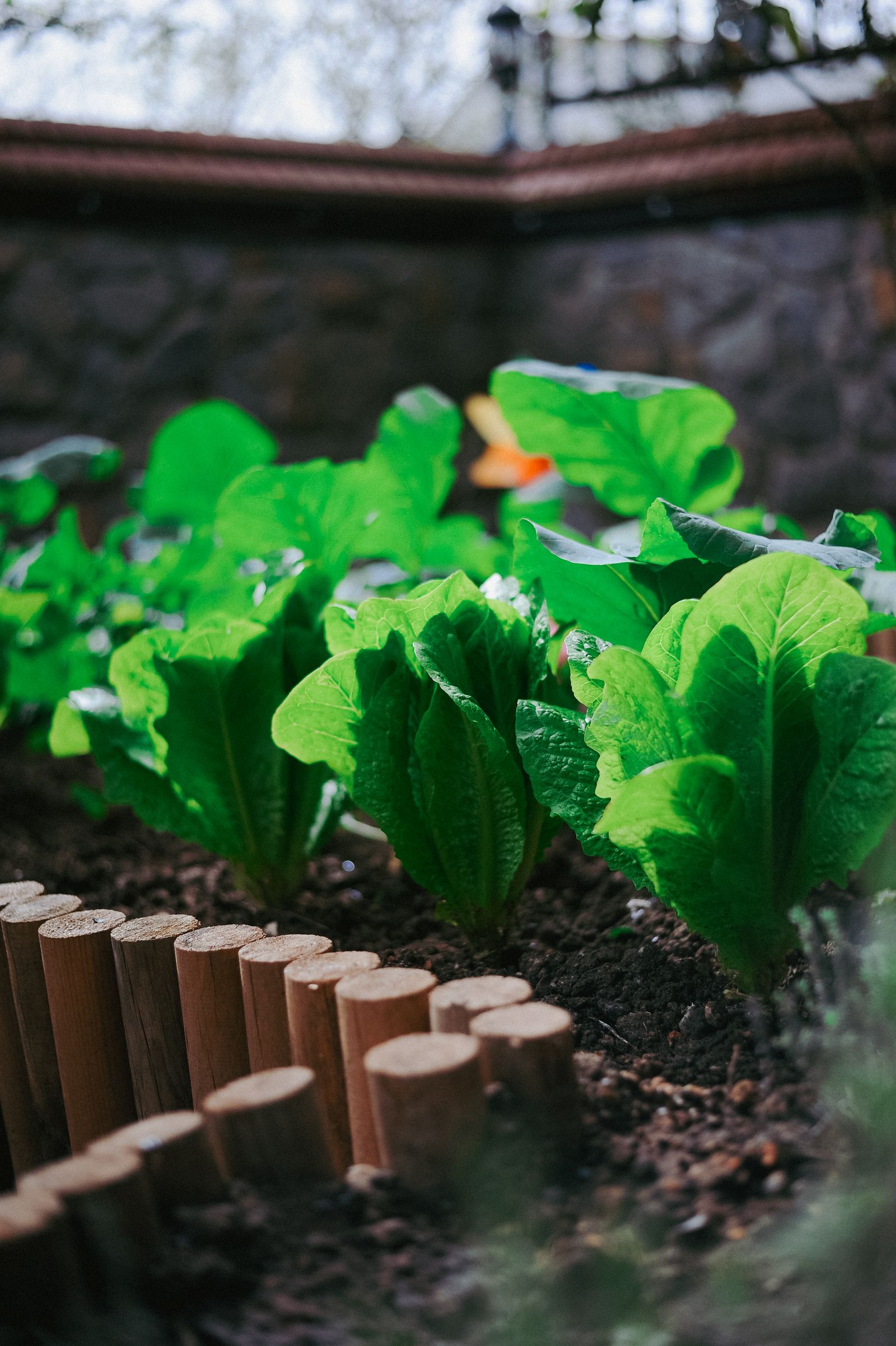
If a contained growing area suits your layout, a raised garden bed gives you defined bed edges; plan its position before filling it.
Do I need a raised bed?
No. An in-ground bed or suitable containers may work. Choose the growing method that fits your site, access and budget.
Your next garden task
Choose three suitable crops, confirm the local planting window and prepare one manageable growing area before buying more seeds.
Helpful supplies for this garden project
Choose only what supports the tasks above. These are optional supplies; check sizes, instructions and current details before buying.
- Fiskars 3-Piece Garden Hand Tools Set — When you are ready to plant, use a garden hand tool set for small planting holes and surface cultivation.
- Luster Leaf 1601 Rapitest Soil Test Kit — A soil pH test kit helps you investigate soil conditions before deciding what to add to a planting bed.
- Land Guard Galvanized Raised Garden Bed, 4 × 2 × 1 ft — If a contained growing area suits your layout, a raised garden bed gives you defined bed edges; plan its position before filling it.